Peak Season
Peak Season
Peak Season
How to Solve Customer Support Issues During Peak Season (2025)
/ / / / / / / /
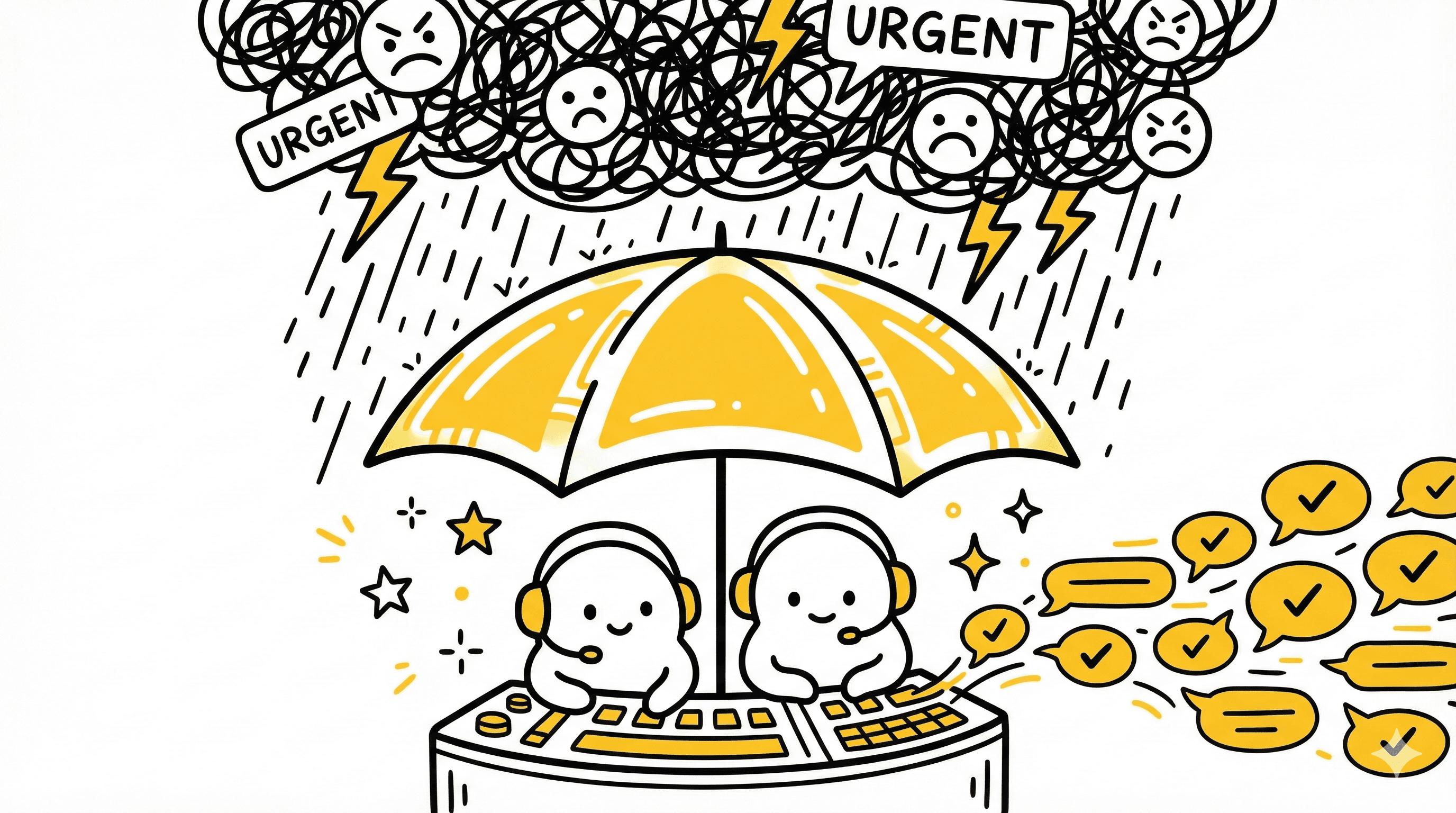
Peak season in customer support refers to periods of exceptionally high customer activity, such as holidays, major sales events (like Black Friday or Singles’ Day), or product launches. During these times, support teams face a surge in inquiries, complaints, and requests across multiple channels. The stakes are high: customer expectations rise, and the risk of negative experiences increases.
These seasonal spikes bring unique challenges—overwhelmed agents, longer wait times, and the potential for inconsistent service. If not managed well, they can damage brand reputation and erode customer loyalty. According to Salesforce, 80% of customers say the experience a company provides is as important as its products or services (Source: Salesforce, 2025: https://www.salesforce.com/blog/customer-service-best-practices-peak-season/).
This article explores the most common customer support issues during peak season and provides actionable strategies to overcome them. We’ll cover forecasting demand, training agents, optimising operations, leveraging technology, supporting agent wellbeing, and measuring success. Whether you’re preparing for the next holiday rush or a sudden spike in demand, these insights will help you deliver exceptional customer experiences—no matter the volume.
TL;DR: Peak Season Customer Support Essentials
• Anticipate spikes using data-driven forecasting and flexible staffing.
• Train and upskill agents with AI-powered simulations and microlearning.
• Streamline operations with automation, self-service, and omnichannel support.
• Prioritise agent wellbeing to prevent burnout and maintain performance.
• Continuously measure, review, and optimise your support processes.
Understanding Customer Support Challenges During Peak Season
Peak season amplifies every challenge in customer support. Here’s what most teams face:
(1) High Ticket Volume:
During peak periods, support teams can see ticket volumes double or triple. For example, retailers report up to a 120% increase in support requests during Black Friday and Cyber Monday (Source: Zendesk, 2025: https://www.zendesk.com/blog/support-team-holiday-rush/). This influx strains systems and requires both rapid triage and system scalability. In sectors like travel or retail, the overwhelming majority of requests may relate to time-sensitive issues such as delivery delays or order modifications, compounding the urgency.
(2) Longer Wait Times:
With more customers reaching out, average response and resolution times increase. This can frustrate customers and lead to negative reviews or lost sales. Longer waits also increase the likelihood of repeat contacts (“contact churn”), with customers reaching out on multiple channels or escalating prematurely if they don’t receive quick answers.
(3) Agent Burnout:
Sustained high workloads and pressure to meet KPIs can quickly lead to agent fatigue and burnout, resulting in higher absenteeism and turnover (Source: Harvard Business Review, 2021: https://hbr.org/2021/12/how-to-keep-your-customer-service-agents-engaged). Burnout manifests as disengagement, more frequent mistakes, or reduced empathy—all of which directly impact customer experience.
(4) Inconsistent Service Quality:
When teams are stretched thin, it’s harder to maintain consistent, high-quality responses. Mistakes and miscommunications become more common. For instance, agents may skip key troubleshooting steps to save time, or deliver off-brand messaging in their haste. This can erode trust with customers who expect fast and reliable help.
(5) Impact on Customer Satisfaction and Brand Reputation:
Customers expect fast, accurate, and empathetic support—especially when they’re already stressed by holiday shopping or urgent needs. Failing to deliver can damage your brand’s reputation and reduce customer loyalty (Source: Forrester, 2025: https://go.forrester.com/research/customer-experience/). Social media amplifies the speed and reach of negative experiences, making public perception a real-time risk during peak times.
Real-World Example:
During the 2023 holiday season, a global e-commerce brand saw its CSAT scores drop by 15% due to delayed responses and overwhelmed agents. Proactive planning and technology adoption the following year helped them recover and exceed previous satisfaction levels (Source: Otonomee, 2024: https://www.otonomee.com/post/manage-peak-season-tips).
Checklist: Common Peak Season Support Challenges
• Ticket volumes spike unexpectedly
• Wait and resolution times increase
• Agents report stress or burnout
• Service quality becomes inconsistent
• Customer complaints and negative reviews rise
Recommended Approach:
Enterprise teams should regularly review this checklist before, during, and after each peak season. Early identification of these problems allows for rapid countermeasures such as flex pool staffing, knowledge base updates, or real-time coaching.
Preparing Your Support Team for Peak Season
Preparation is the foundation of peak season success. Here’s how to get your team ready:
Forecasting Demand and Volume
Accurate forecasting is essential. Use historical data, predictive analytics, and market trends to anticipate ticket volumes.
• Analyse Past Data: Review previous peak seasons for patterns in ticket volume, channel usage, and issue types. Drill down by campaign, channel, and even time of day to understand load distribution.
• Leverage Predictive Tools: Platforms like Zendesk and Salesforce offer forecasting features that use AI to predict demand spikes (Source: Zendesk, 2025: https://www.zendesk.com/blog/support-team-holiday-rush/). Use scenario planning: some BPOs prepare “minimum,” “likely,” and “maximum” volume scenarios for staffing flexibility.
• Monitor External Factors: Track marketing campaigns, product launches, and external events that could influence demand. Communicate regularly with both marketing and ops teams to align forecasts across departments.
Example:
A BPO used Salesforce’s AI-driven forecasting to predict a 30% increase in chat volume during a major product launch, allowing them to staff accordingly and avoid bottlenecks. Similarly, some enterprises create an “early warning dashboard” that highlights incoming volume anomalies, enabling proactive staffing and queue reshuffling.
Checklist: Forecasting & Capacity Planning
• Pull past 3 years’ peak season data
• Define ‘worst case’, ‘expected’, and ‘best case’ volume scenarios
• Align staffing with predicted peaks by day and hour
• Set up monitoring for volume anomalies during live operations
Training and Upskilling Agents
Well-trained agents are your best defence against peak season chaos.
• Refresher Training: Schedule short, focused sessions on common peak season issues, escalation protocols, and empathy skills. Use real customer scenarios gathered from previous peaks.
• Cross-Training: Prepare agents to handle multiple channels or issue types, increasing flexibility. For example, agents proficient in chat may take on email tickets if volume shifts unexpectedly.
• Simulation Training: Use AI-powered platforms (like Smart Role) to simulate real peak season scenarios, helping agents build confidence and speed. Simulations allow agents to practice managing multiple simultaneous chats, difficult customers, or system outages without risk.
• Microlearning: Deliver bite-sized training modules that fit into busy schedules and reinforce key skills. Push notifications with mini-quizzes or job aids also boost retention.
Checklist: Peak Season Agent Preparation
• Review and update training materials
• Run simulation exercises for high-volume scenarios
• Cross-train agents for multiple roles/channels
• Set up microlearning refreshers
• Communicate escalation paths and support resources
Best Practices for Training Rollout:
• Incorporate knowledge checks after each module.
• Provide “cheat sheets” for top 10 seasonal issues.
• Schedule live Q&A for agents to ask about real concerns.
• Assign mentors or “on-call” SMEs during peak.
Smart Role Perspective:
Simulation-based training and AI coaching help agents practise handling surges, tricky customer emotions, and complex queries—without real-world risk. This approach builds resilience, adaptability, and the ability to pivot across channels, which are critical during peak periods.
Optimising Support Operations for High Volume
Operational efficiency is key to surviving—and thriving—during peak season.
Streamlining Ticket Routing and Prioritisation
Efficient ticket triage ensures urgent issues are addressed quickly.
• Automation: Use AI to categorise and route tickets based on urgency, topic, or customer value (Source: Gartner, 2025: https://www.gartner.com/en/insights/customer-service). Set “rules” for VIP customers or revenue-critical topics to escalate automatically.
• Clear Escalation Paths: Define when and how tickets should be escalated to senior agents or specialists. Communicate escalation paths before peak, and make sure they’re visible in SOPs and agent dashboards.
• Priority Queues: Set up queues for VIP customers or critical issues. Regularly audit who’s in the VIP queue and why.
Example:
A telecom provider implemented automated triage, reducing first response times by 40% during peak periods. By routing device outages to specialist teams and routine billing questions to the general queue, they accelerated resolutions and improved CSAT.
Checklist: Routing & Prioritisation
• Test automation rules before going live
• Audit queues daily for delays or misrouted tickets
• Provide agents a quick-reference routing guide
• Re-calibrate priorities mid-peak if demand shifts
Leveraging Self-Service Options
Empowering customers to find answers themselves reduces ticket volume.
• Knowledge Bases: Keep FAQs and help articles up to date, focusing on common peak season queries. Use analytics to identify top search terms and update content accordingly.
• Chatbots: Deploy AI chatbots to handle simple requests (order status, returns, password resets) 24/7. Train bots pre-peak on common scenarios and fine-tune flows with feedback.
• Encourage Adoption: Promote self-service options in IVR menus, website banners, and email signatures. Consider incentivising usage by highlighting faster resolution times for self-serve channels.
Framework: Self-Service Readiness
(1) Identify top 10 peak season queries.
(2) Ensure clear, concise answers in your knowledge base.
(3) Test chatbot flows for accuracy, relevance, and escalation capability.
(4) Monitor usage and update content or flows weekly during peak.
Example:
A global online retailer continually updated its self-service knowledge base daily during the holiday rush, watching real-time analytics for article gaps, and quickly adding new content when search trends indicated a need—leading to a measurable decrease in new tickets.
Expanding Support Channels
Meet customers where they are—especially during busy times.
• Omnichannel Support: Offer chat, email, phone, and social media support. Integrate channels for seamless handoffs. Use CRM tools or unified agent workspaces to ensure context follows the customer from channel to channel.
• Temporary Channels: Consider adding WhatsApp, SMS, or live video for peak periods. Test channel performance in advance and set clear support hours.
• Unified Platform: Use tools that centralise conversations and analytics. This allows team leads to see queue backlogs and pivot staffing as needed.
Example:
A retailer added WhatsApp support during the 2024 holiday season, reducing email backlog by 25% and improving customer satisfaction. Their agents used a single unified UI, which decreased average handling time by 18%.
Checklist: Multichannel Readiness
• All agents trained on every active channel
• Scripts/guides available for channel-specific FAQs
• Escalation and context tracking integrated for omnichannel handoff
• Channel-specific analytics monitored daily
Technology Solutions to Enhance Peak Season Support
Modern technology is a force multiplier for support teams.
AI and Automation in Customer Support
AI-driven tools can handle routine queries, freeing agents for complex cases.
• Chatbots and Virtual Assistants: Handle FAQs, order tracking, and basic troubleshooting instantly. Customise tone and escalation rules for brand consistency.
• Automated Responses: Send proactive updates about delays, outages, or common issues. Use triggers based on order status or known issues to reduce inbound contacts.
• Sentiment Analysis: Monitor customer sentiment in tickets or chats in real time to prioritise urgent or dissatisfied customers.
Case Study:
A global electronics brand used AI chatbots to resolve 60% of peak season queries without agent intervention, cutting average wait times in half (Source: McKinsey, 2024: https://www.mckinsey.com/capabilities/operations/our-insights/how-to-manage-customer-service-during-peak-demand).
Checklist: AI & Automation Readiness
• Chatbots trained on current peak FAQs
• Automated messages set for common issues or delays
• AI sentiment monitoring active and escalating critical contacts
• Measure containment rate and improve flows weekly
Smart Role Perspective:
AI-powered QA automation can review 100% of interactions for quality and compliance, providing instant feedback to agents and managers—critical when volumes spike. Continuous monitoring identifies gaps in scripts, processes, or knowledge, allowing for rapid mid-peak course corrections.
Workforce Management Tools
Effective scheduling and real-time monitoring keep teams agile.
• Scheduling Software: Tools like NICE and Verint optimise shifts, breaks, and overtime based on predicted demand (Source: NICE, 2025: https://www.nice.com/engage/workforce-management/). Integrate employee preferences where possible to boost engagement.
• Real-Time Analytics: Monitor queue lengths, agent occupancy, and customer sentiment. Real-time dashboards help supervisors react instantly to spikes or emerging backlogs.
• Dynamic Staffing: Adjust staffing levels on the fly as demand changes. Maintain a “reserve bench” of trained part-timers or contractors for same-day deployment.
Example:
A BPO used Verint’s workforce management suite to reduce overtime costs by 18% during the 2024 peak season (Source: Verint, 2024: https://www.verint.com/blog/contact-center-solutions-for-peak-season/). By forecasting queue peaks at the half-hour level, the company was able to break staffing shifts into smaller, more flexible blocks and bring in additional coverage only when needed.
Checklist: WFM & Analytics
• Schedules set for next 4-6 weeks, adjustable daily
• Real-time dashboard visible to all team leads
• Overtime and “bench” policy aligned with forecast
• Staffing and occupancy reviewed post-shift
Managing Agent Wellbeing and Preventing Burnout
Agent wellbeing is non-negotiable during peak season.
Recognising Signs of Burnout:
• Increased absenteeism or lateness
• Declining performance or engagement
• Emotional exhaustion or irritability
• Decline in empathy or patience with customers
Best Practices for Shift Scheduling and Breaks:
• Fair Rotations: Rotate high-stress shifts to avoid overloading individuals. Ensure off-peak “recovery” days for those on intense days.
• Mandatory Breaks: Enforce regular breaks, especially during long shifts. Use scheduling tech to automate reminders or lockouts, ensuring compliance.
• Flexible Scheduling: Allow agents to swap shifts or work remotely where possible. In multi-site operations, consider “follow the sun” models to spread the load.
Mental Health Resources and Support:
• Provide access to counselling or employee assistance programmes.
• Foster a supportive culture—encourage open conversations about stress, create peer-support Slack channels or roundtables.
• Recognise and reward effort, not just outcomes—e.g., spotlight “above and beyond” stories at daily standups.
Checklist: Agent Wellbeing During Peak Season
• Monitor workloads and stress indicators daily
• Schedule regular check-ins with team leads or mentors
• Offer mental health resources and support
• Plan fun engagement activities to celebrate milestones
Practical Steps for Team Leaders:
• Set up anonymous feedback forms for agents to voice concerns.
• Designate senior agents as “wellbeing champions.”
• Use pulse surveys to gauge morale and stress—increasing cadence mid-peak.
Smart Role Perspective:
AI-driven coaching can flag early signs of burnout and recommend targeted interventions, helping managers support their teams proactively. This adds an extra line of defence, preventing issues from escalating or impacting overall team performance.
Communication Strategies During Peak Season
Clear, timely communication keeps everyone aligned and customers informed.
Internal Communication
• Daily Standups: Quick team meetings to review priorities, share updates, and surface issues. Rotate “voice of the agent” slots so frontline perspectives are heard.
• Real-Time Updates: Use chat tools or dashboards to broadcast queue status, policy changes, or technical issues. Keep a “war room” chat active with stakeholders from support, IT, and ops for fast incident response and escalation.
• Feedback Loops: Encourage agents to share frontline insights and escalate recurring problems. End-of-shift debriefs should include space for lessons learned.
Checklist: Internal Communication
• Standups scheduled and short (max 10-15 minutes)
• Key updates summarised in a shared doc/Slack
• Two-way “whistleblower” channel for urgent feedback
Customer Communication
• Proactive Messaging: Notify customers of expected delays, high demand, or alternative support options. Consider automated outbound comms via email/SMS at peak load.
• Set Expectations: Be transparent about response times and resolution windows—include links to self-service where possible.
• Empathy and Clarity: Use clear, empathetic language in all communications. Provide sample scripts to agents for the most common frustrations (e.g., shipping delays, technical outages).
Example:
A SaaS provider added a banner to its support portal during peak season, setting clear expectations for response times and reducing inbound complaints by 20%. Similarly, an e-commerce business proactively emailed customers about shipping cut-off dates, which decreased “where is my order?” tickets.
Checklist: Customer Communication
• Automated banners or comms set for anticipated issues
• Response time SLAs visible to customers
• Empathetic macros/scripts tested and reviewed
Measuring Success and Continuous Improvement
Tracking the right metrics ensures you learn and improve after every peak season.
Key Metrics to Monitor:
• CSAT (Customer Satisfaction Score): Measures customer happiness with support. Break down by channel, agent, and issue type.
• FRT (First Response Time): Time to first reply; monitor separately for new vs. returning customers.
• NPS (Net Promoter Score): Gauges customer loyalty at both transactional and relationship levels.
• Resolution Time: How quickly issues are fully resolved.
• Volume Abandonment Rate: Percentage of customers who exit queues or abandon self-service.
• Agent Turnover: Measure post-peak churn for staffing planning.
Gathering Feedback:
• Customer Surveys: Short, post-interaction surveys for real-time insights. Rotate questions to cover both transactional and emotional satisfaction.
• Agent Feedback: Debrief sessions to identify pain points and improvement areas. Use anonymised trend analysis to spot systemic issues.
Post-Peak Reviews:
• Analyse what worked and what didn’t using data and feedback.
• Update training, processes, and technology based on lessons learned.
• Share findings across teams to drive continuous improvement. Organise cross-departmental “lessons learned” workshops for a 360º perspective.
Framework: Post-Peak Review Checklist
(1) Collect and analyse all key metrics and volume trends.
(2) Gather feedback from customers (surveys) and agents (debriefs).
(3) Identify bottlenecks and standout successes.
(4) Update SOPs, scripts, and training materials as needed.
(5) Communicate changes to the broader team well ahead of the next peak.
(6) Publish a “Peak Season Playbook” to serve as an evolving reference.
Conclusion & Key Takeaways
Peak season doesn’t have to mean chaos. With the right preparation, technology, and focus on people, support teams can turn seasonal surges into opportunities for customer delight and loyalty.
Key Takeaways:
• Forecast demand and staff flexibly using data and predictive tools.
• Train agents with simulation and microlearning for real-world readiness.
• Optimise operations with automation, self-service, and omnichannel support.
• Prioritise agent wellbeing to sustain performance and morale.
• Measure, review, and continuously improve after every peak.
Now is the time to audit your peak season readiness—before the next rush hits. Consider how simulation training, AI coaching, and automated QA can help your team stay ahead. By embedding these strategies into your customer operations, you position your business to not only weather the next peak but also outperform competitors and strengthen your brand reputation.
Related reading
• Support Team Preparedness for the Holiday Rush — https://smartrole.ai/blog/support-team-holiday-rush
• Effective Call Center Script Strategies — https://smartrole.ai/blog/call-center-scripts
• Automation in Customer Service — https://smartrole.ai/blog/customer-service-automation
• Maintaining Agent Wellbeing During High Demands — https://smartrole.ai/blog/agent-wellbeing
• Maximizing Omnichannel Support for Better Customer Experience — https://smartrole.ai/blog/maximizing-omnichannel-support
• Leveraging AI in Customer Support — https://smartrole.ai/blog/leveraging-ai-in-customer-support
• Predictive Analytics to Anticipate Customer Support Demand — https://smartrole.ai/blog/predictive-analytics-in-customer-support
FAQ
What are the most common customer support issues during peak season?
The most common issues include high ticket volume, longer wait times, agent burnout, and inconsistent customer experiences.
How can companies reduce wait times for customers during busy periods?
Companies can reduce wait times by using automation, optimising ticket routing, expanding support channels, and providing self-service options.
What technology solutions help manage high support volumes?
AI chatbots, workforce management tools, and omnichannel support platforms help manage high support volumes efficiently.
How do you prevent agent burnout during peak season?
Prevent burnout by monitoring workloads, offering mental health support, and ensuring regular breaks and flexible scheduling.
About the author
Thibaut Martin is the COO at Smart Role, specialising in AI-driven customer support training. With prior leadership roles at Google and Otrium, Thibaut brings over a decade of hands-on experience in scaling customer experience operations for global brands. His expertise spans support technology, agent training, and operational excellence. Smart Role is a SOC 2 Type 2 and ISO certified company, committed to the highest standards of security and quality.
Sources
(1) Zendesk: "How to prepare your support team for the holiday rush"
https://www.zendesk.com/blog/support-team-holiday-rush/
(2) Harvard Business Review: "How to Keep Your Customer Service Agents Engaged"
https://hbr.org/2021/12/how-to-keep-your-customer-service-agents-engaged
(3) Salesforce: "Customer Service Best Practices for Peak Season"
https://www.salesforce.com/blog/customer-service-best-practices-peak-season/
(4) Gartner: "How to Optimize Customer Service Operations"
https://www.gartner.com/en/insights/customer-service
(5) NICE: "Workforce Management for Contact Centers"
https://www.nice.com/engage/workforce-management/
(6) Forrester: "The State of Customer Experience"
https://go.forrester.com/research/customer-experience/
(7) McKinsey: "How to Manage Customer Service During Peak Demand"
https://www.mckinsey.com/capabilities/operations/our-insights/how-to-manage-customer-service-during-peak-demand
(8) HubSpot: "How to Prevent Customer Service Burnout"
https://blog.hubspot.com/service/customer-service-burnout
(9) Otonomee: "How to Manage Peak Season: Tips for Customer Support"
https://www.otonomee.com/post/manage-peak-season-tips
(10) Verint: "Contact Center Solutions for Peak Season"
https://www.verint.com/blog/contact-center-solutions-for-peak-season/

Peak season in customer support refers to periods of exceptionally high customer activity, such as holidays, major sales events (like Black Friday or Singles’ Day), or product launches. During these times, support teams face a surge in inquiries, complaints, and requests across multiple channels. The stakes are high: customer expectations rise, and the risk of negative experiences increases.
These seasonal spikes bring unique challenges—overwhelmed agents, longer wait times, and the potential for inconsistent service. If not managed well, they can damage brand reputation and erode customer loyalty. According to Salesforce, 80% of customers say the experience a company provides is as important as its products or services (Source: Salesforce, 2025: https://www.salesforce.com/blog/customer-service-best-practices-peak-season/).
This article explores the most common customer support issues during peak season and provides actionable strategies to overcome them. We’ll cover forecasting demand, training agents, optimising operations, leveraging technology, supporting agent wellbeing, and measuring success. Whether you’re preparing for the next holiday rush or a sudden spike in demand, these insights will help you deliver exceptional customer experiences—no matter the volume.
TL;DR: Peak Season Customer Support Essentials
• Anticipate spikes using data-driven forecasting and flexible staffing.
• Train and upskill agents with AI-powered simulations and microlearning.
• Streamline operations with automation, self-service, and omnichannel support.
• Prioritise agent wellbeing to prevent burnout and maintain performance.
• Continuously measure, review, and optimise your support processes.
Understanding Customer Support Challenges During Peak Season
Peak season amplifies every challenge in customer support. Here’s what most teams face:
(1) High Ticket Volume:
During peak periods, support teams can see ticket volumes double or triple. For example, retailers report up to a 120% increase in support requests during Black Friday and Cyber Monday (Source: Zendesk, 2025: https://www.zendesk.com/blog/support-team-holiday-rush/). This influx strains systems and requires both rapid triage and system scalability. In sectors like travel or retail, the overwhelming majority of requests may relate to time-sensitive issues such as delivery delays or order modifications, compounding the urgency.
(2) Longer Wait Times:
With more customers reaching out, average response and resolution times increase. This can frustrate customers and lead to negative reviews or lost sales. Longer waits also increase the likelihood of repeat contacts (“contact churn”), with customers reaching out on multiple channels or escalating prematurely if they don’t receive quick answers.
(3) Agent Burnout:
Sustained high workloads and pressure to meet KPIs can quickly lead to agent fatigue and burnout, resulting in higher absenteeism and turnover (Source: Harvard Business Review, 2021: https://hbr.org/2021/12/how-to-keep-your-customer-service-agents-engaged). Burnout manifests as disengagement, more frequent mistakes, or reduced empathy—all of which directly impact customer experience.
(4) Inconsistent Service Quality:
When teams are stretched thin, it’s harder to maintain consistent, high-quality responses. Mistakes and miscommunications become more common. For instance, agents may skip key troubleshooting steps to save time, or deliver off-brand messaging in their haste. This can erode trust with customers who expect fast and reliable help.
(5) Impact on Customer Satisfaction and Brand Reputation:
Customers expect fast, accurate, and empathetic support—especially when they’re already stressed by holiday shopping or urgent needs. Failing to deliver can damage your brand’s reputation and reduce customer loyalty (Source: Forrester, 2025: https://go.forrester.com/research/customer-experience/). Social media amplifies the speed and reach of negative experiences, making public perception a real-time risk during peak times.
Real-World Example:
During the 2023 holiday season, a global e-commerce brand saw its CSAT scores drop by 15% due to delayed responses and overwhelmed agents. Proactive planning and technology adoption the following year helped them recover and exceed previous satisfaction levels (Source: Otonomee, 2024: https://www.otonomee.com/post/manage-peak-season-tips).
Checklist: Common Peak Season Support Challenges
• Ticket volumes spike unexpectedly
• Wait and resolution times increase
• Agents report stress or burnout
• Service quality becomes inconsistent
• Customer complaints and negative reviews rise
Recommended Approach:
Enterprise teams should regularly review this checklist before, during, and after each peak season. Early identification of these problems allows for rapid countermeasures such as flex pool staffing, knowledge base updates, or real-time coaching.
Preparing Your Support Team for Peak Season
Preparation is the foundation of peak season success. Here’s how to get your team ready:
Forecasting Demand and Volume
Accurate forecasting is essential. Use historical data, predictive analytics, and market trends to anticipate ticket volumes.
• Analyse Past Data: Review previous peak seasons for patterns in ticket volume, channel usage, and issue types. Drill down by campaign, channel, and even time of day to understand load distribution.
• Leverage Predictive Tools: Platforms like Zendesk and Salesforce offer forecasting features that use AI to predict demand spikes (Source: Zendesk, 2025: https://www.zendesk.com/blog/support-team-holiday-rush/). Use scenario planning: some BPOs prepare “minimum,” “likely,” and “maximum” volume scenarios for staffing flexibility.
• Monitor External Factors: Track marketing campaigns, product launches, and external events that could influence demand. Communicate regularly with both marketing and ops teams to align forecasts across departments.
Example:
A BPO used Salesforce’s AI-driven forecasting to predict a 30% increase in chat volume during a major product launch, allowing them to staff accordingly and avoid bottlenecks. Similarly, some enterprises create an “early warning dashboard” that highlights incoming volume anomalies, enabling proactive staffing and queue reshuffling.
Checklist: Forecasting & Capacity Planning
• Pull past 3 years’ peak season data
• Define ‘worst case’, ‘expected’, and ‘best case’ volume scenarios
• Align staffing with predicted peaks by day and hour
• Set up monitoring for volume anomalies during live operations
Training and Upskilling Agents
Well-trained agents are your best defence against peak season chaos.
• Refresher Training: Schedule short, focused sessions on common peak season issues, escalation protocols, and empathy skills. Use real customer scenarios gathered from previous peaks.
• Cross-Training: Prepare agents to handle multiple channels or issue types, increasing flexibility. For example, agents proficient in chat may take on email tickets if volume shifts unexpectedly.
• Simulation Training: Use AI-powered platforms (like Smart Role) to simulate real peak season scenarios, helping agents build confidence and speed. Simulations allow agents to practice managing multiple simultaneous chats, difficult customers, or system outages without risk.
• Microlearning: Deliver bite-sized training modules that fit into busy schedules and reinforce key skills. Push notifications with mini-quizzes or job aids also boost retention.
Checklist: Peak Season Agent Preparation
• Review and update training materials
• Run simulation exercises for high-volume scenarios
• Cross-train agents for multiple roles/channels
• Set up microlearning refreshers
• Communicate escalation paths and support resources
Best Practices for Training Rollout:
• Incorporate knowledge checks after each module.
• Provide “cheat sheets” for top 10 seasonal issues.
• Schedule live Q&A for agents to ask about real concerns.
• Assign mentors or “on-call” SMEs during peak.
Smart Role Perspective:
Simulation-based training and AI coaching help agents practise handling surges, tricky customer emotions, and complex queries—without real-world risk. This approach builds resilience, adaptability, and the ability to pivot across channels, which are critical during peak periods.
Optimising Support Operations for High Volume
Operational efficiency is key to surviving—and thriving—during peak season.
Streamlining Ticket Routing and Prioritisation
Efficient ticket triage ensures urgent issues are addressed quickly.
• Automation: Use AI to categorise and route tickets based on urgency, topic, or customer value (Source: Gartner, 2025: https://www.gartner.com/en/insights/customer-service). Set “rules” for VIP customers or revenue-critical topics to escalate automatically.
• Clear Escalation Paths: Define when and how tickets should be escalated to senior agents or specialists. Communicate escalation paths before peak, and make sure they’re visible in SOPs and agent dashboards.
• Priority Queues: Set up queues for VIP customers or critical issues. Regularly audit who’s in the VIP queue and why.
Example:
A telecom provider implemented automated triage, reducing first response times by 40% during peak periods. By routing device outages to specialist teams and routine billing questions to the general queue, they accelerated resolutions and improved CSAT.
Checklist: Routing & Prioritisation
• Test automation rules before going live
• Audit queues daily for delays or misrouted tickets
• Provide agents a quick-reference routing guide
• Re-calibrate priorities mid-peak if demand shifts
Leveraging Self-Service Options
Empowering customers to find answers themselves reduces ticket volume.
• Knowledge Bases: Keep FAQs and help articles up to date, focusing on common peak season queries. Use analytics to identify top search terms and update content accordingly.
• Chatbots: Deploy AI chatbots to handle simple requests (order status, returns, password resets) 24/7. Train bots pre-peak on common scenarios and fine-tune flows with feedback.
• Encourage Adoption: Promote self-service options in IVR menus, website banners, and email signatures. Consider incentivising usage by highlighting faster resolution times for self-serve channels.
Framework: Self-Service Readiness
(1) Identify top 10 peak season queries.
(2) Ensure clear, concise answers in your knowledge base.
(3) Test chatbot flows for accuracy, relevance, and escalation capability.
(4) Monitor usage and update content or flows weekly during peak.
Example:
A global online retailer continually updated its self-service knowledge base daily during the holiday rush, watching real-time analytics for article gaps, and quickly adding new content when search trends indicated a need—leading to a measurable decrease in new tickets.
Expanding Support Channels
Meet customers where they are—especially during busy times.
• Omnichannel Support: Offer chat, email, phone, and social media support. Integrate channels for seamless handoffs. Use CRM tools or unified agent workspaces to ensure context follows the customer from channel to channel.
• Temporary Channels: Consider adding WhatsApp, SMS, or live video for peak periods. Test channel performance in advance and set clear support hours.
• Unified Platform: Use tools that centralise conversations and analytics. This allows team leads to see queue backlogs and pivot staffing as needed.
Example:
A retailer added WhatsApp support during the 2024 holiday season, reducing email backlog by 25% and improving customer satisfaction. Their agents used a single unified UI, which decreased average handling time by 18%.
Checklist: Multichannel Readiness
• All agents trained on every active channel
• Scripts/guides available for channel-specific FAQs
• Escalation and context tracking integrated for omnichannel handoff
• Channel-specific analytics monitored daily
Technology Solutions to Enhance Peak Season Support
Modern technology is a force multiplier for support teams.
AI and Automation in Customer Support
AI-driven tools can handle routine queries, freeing agents for complex cases.
• Chatbots and Virtual Assistants: Handle FAQs, order tracking, and basic troubleshooting instantly. Customise tone and escalation rules for brand consistency.
• Automated Responses: Send proactive updates about delays, outages, or common issues. Use triggers based on order status or known issues to reduce inbound contacts.
• Sentiment Analysis: Monitor customer sentiment in tickets or chats in real time to prioritise urgent or dissatisfied customers.
Case Study:
A global electronics brand used AI chatbots to resolve 60% of peak season queries without agent intervention, cutting average wait times in half (Source: McKinsey, 2024: https://www.mckinsey.com/capabilities/operations/our-insights/how-to-manage-customer-service-during-peak-demand).
Checklist: AI & Automation Readiness
• Chatbots trained on current peak FAQs
• Automated messages set for common issues or delays
• AI sentiment monitoring active and escalating critical contacts
• Measure containment rate and improve flows weekly
Smart Role Perspective:
AI-powered QA automation can review 100% of interactions for quality and compliance, providing instant feedback to agents and managers—critical when volumes spike. Continuous monitoring identifies gaps in scripts, processes, or knowledge, allowing for rapid mid-peak course corrections.
Workforce Management Tools
Effective scheduling and real-time monitoring keep teams agile.
• Scheduling Software: Tools like NICE and Verint optimise shifts, breaks, and overtime based on predicted demand (Source: NICE, 2025: https://www.nice.com/engage/workforce-management/). Integrate employee preferences where possible to boost engagement.
• Real-Time Analytics: Monitor queue lengths, agent occupancy, and customer sentiment. Real-time dashboards help supervisors react instantly to spikes or emerging backlogs.
• Dynamic Staffing: Adjust staffing levels on the fly as demand changes. Maintain a “reserve bench” of trained part-timers or contractors for same-day deployment.
Example:
A BPO used Verint’s workforce management suite to reduce overtime costs by 18% during the 2024 peak season (Source: Verint, 2024: https://www.verint.com/blog/contact-center-solutions-for-peak-season/). By forecasting queue peaks at the half-hour level, the company was able to break staffing shifts into smaller, more flexible blocks and bring in additional coverage only when needed.
Checklist: WFM & Analytics
• Schedules set for next 4-6 weeks, adjustable daily
• Real-time dashboard visible to all team leads
• Overtime and “bench” policy aligned with forecast
• Staffing and occupancy reviewed post-shift
Managing Agent Wellbeing and Preventing Burnout
Agent wellbeing is non-negotiable during peak season.
Recognising Signs of Burnout:
• Increased absenteeism or lateness
• Declining performance or engagement
• Emotional exhaustion or irritability
• Decline in empathy or patience with customers
Best Practices for Shift Scheduling and Breaks:
• Fair Rotations: Rotate high-stress shifts to avoid overloading individuals. Ensure off-peak “recovery” days for those on intense days.
• Mandatory Breaks: Enforce regular breaks, especially during long shifts. Use scheduling tech to automate reminders or lockouts, ensuring compliance.
• Flexible Scheduling: Allow agents to swap shifts or work remotely where possible. In multi-site operations, consider “follow the sun” models to spread the load.
Mental Health Resources and Support:
• Provide access to counselling or employee assistance programmes.
• Foster a supportive culture—encourage open conversations about stress, create peer-support Slack channels or roundtables.
• Recognise and reward effort, not just outcomes—e.g., spotlight “above and beyond” stories at daily standups.
Checklist: Agent Wellbeing During Peak Season
• Monitor workloads and stress indicators daily
• Schedule regular check-ins with team leads or mentors
• Offer mental health resources and support
• Plan fun engagement activities to celebrate milestones
Practical Steps for Team Leaders:
• Set up anonymous feedback forms for agents to voice concerns.
• Designate senior agents as “wellbeing champions.”
• Use pulse surveys to gauge morale and stress—increasing cadence mid-peak.
Smart Role Perspective:
AI-driven coaching can flag early signs of burnout and recommend targeted interventions, helping managers support their teams proactively. This adds an extra line of defence, preventing issues from escalating or impacting overall team performance.
Communication Strategies During Peak Season
Clear, timely communication keeps everyone aligned and customers informed.
Internal Communication
• Daily Standups: Quick team meetings to review priorities, share updates, and surface issues. Rotate “voice of the agent” slots so frontline perspectives are heard.
• Real-Time Updates: Use chat tools or dashboards to broadcast queue status, policy changes, or technical issues. Keep a “war room” chat active with stakeholders from support, IT, and ops for fast incident response and escalation.
• Feedback Loops: Encourage agents to share frontline insights and escalate recurring problems. End-of-shift debriefs should include space for lessons learned.
Checklist: Internal Communication
• Standups scheduled and short (max 10-15 minutes)
• Key updates summarised in a shared doc/Slack
• Two-way “whistleblower” channel for urgent feedback
Customer Communication
• Proactive Messaging: Notify customers of expected delays, high demand, or alternative support options. Consider automated outbound comms via email/SMS at peak load.
• Set Expectations: Be transparent about response times and resolution windows—include links to self-service where possible.
• Empathy and Clarity: Use clear, empathetic language in all communications. Provide sample scripts to agents for the most common frustrations (e.g., shipping delays, technical outages).
Example:
A SaaS provider added a banner to its support portal during peak season, setting clear expectations for response times and reducing inbound complaints by 20%. Similarly, an e-commerce business proactively emailed customers about shipping cut-off dates, which decreased “where is my order?” tickets.
Checklist: Customer Communication
• Automated banners or comms set for anticipated issues
• Response time SLAs visible to customers
• Empathetic macros/scripts tested and reviewed
Measuring Success and Continuous Improvement
Tracking the right metrics ensures you learn and improve after every peak season.
Key Metrics to Monitor:
• CSAT (Customer Satisfaction Score): Measures customer happiness with support. Break down by channel, agent, and issue type.
• FRT (First Response Time): Time to first reply; monitor separately for new vs. returning customers.
• NPS (Net Promoter Score): Gauges customer loyalty at both transactional and relationship levels.
• Resolution Time: How quickly issues are fully resolved.
• Volume Abandonment Rate: Percentage of customers who exit queues or abandon self-service.
• Agent Turnover: Measure post-peak churn for staffing planning.
Gathering Feedback:
• Customer Surveys: Short, post-interaction surveys for real-time insights. Rotate questions to cover both transactional and emotional satisfaction.
• Agent Feedback: Debrief sessions to identify pain points and improvement areas. Use anonymised trend analysis to spot systemic issues.
Post-Peak Reviews:
• Analyse what worked and what didn’t using data and feedback.
• Update training, processes, and technology based on lessons learned.
• Share findings across teams to drive continuous improvement. Organise cross-departmental “lessons learned” workshops for a 360º perspective.
Framework: Post-Peak Review Checklist
(1) Collect and analyse all key metrics and volume trends.
(2) Gather feedback from customers (surveys) and agents (debriefs).
(3) Identify bottlenecks and standout successes.
(4) Update SOPs, scripts, and training materials as needed.
(5) Communicate changes to the broader team well ahead of the next peak.
(6) Publish a “Peak Season Playbook” to serve as an evolving reference.
Conclusion & Key Takeaways
Peak season doesn’t have to mean chaos. With the right preparation, technology, and focus on people, support teams can turn seasonal surges into opportunities for customer delight and loyalty.
Key Takeaways:
• Forecast demand and staff flexibly using data and predictive tools.
• Train agents with simulation and microlearning for real-world readiness.
• Optimise operations with automation, self-service, and omnichannel support.
• Prioritise agent wellbeing to sustain performance and morale.
• Measure, review, and continuously improve after every peak.
Now is the time to audit your peak season readiness—before the next rush hits. Consider how simulation training, AI coaching, and automated QA can help your team stay ahead. By embedding these strategies into your customer operations, you position your business to not only weather the next peak but also outperform competitors and strengthen your brand reputation.
Related reading
• Support Team Preparedness for the Holiday Rush — https://smartrole.ai/blog/support-team-holiday-rush
• Effective Call Center Script Strategies — https://smartrole.ai/blog/call-center-scripts
• Automation in Customer Service — https://smartrole.ai/blog/customer-service-automation
• Maintaining Agent Wellbeing During High Demands — https://smartrole.ai/blog/agent-wellbeing
• Maximizing Omnichannel Support for Better Customer Experience — https://smartrole.ai/blog/maximizing-omnichannel-support
• Leveraging AI in Customer Support — https://smartrole.ai/blog/leveraging-ai-in-customer-support
• Predictive Analytics to Anticipate Customer Support Demand — https://smartrole.ai/blog/predictive-analytics-in-customer-support
FAQ
What are the most common customer support issues during peak season?
The most common issues include high ticket volume, longer wait times, agent burnout, and inconsistent customer experiences.
How can companies reduce wait times for customers during busy periods?
Companies can reduce wait times by using automation, optimising ticket routing, expanding support channels, and providing self-service options.
What technology solutions help manage high support volumes?
AI chatbots, workforce management tools, and omnichannel support platforms help manage high support volumes efficiently.
How do you prevent agent burnout during peak season?
Prevent burnout by monitoring workloads, offering mental health support, and ensuring regular breaks and flexible scheduling.
About the author
Thibaut Martin is the COO at Smart Role, specialising in AI-driven customer support training. With prior leadership roles at Google and Otrium, Thibaut brings over a decade of hands-on experience in scaling customer experience operations for global brands. His expertise spans support technology, agent training, and operational excellence. Smart Role is a SOC 2 Type 2 and ISO certified company, committed to the highest standards of security and quality.
Sources
(1) Zendesk: "How to prepare your support team for the holiday rush"
https://www.zendesk.com/blog/support-team-holiday-rush/
(2) Harvard Business Review: "How to Keep Your Customer Service Agents Engaged"
https://hbr.org/2021/12/how-to-keep-your-customer-service-agents-engaged
(3) Salesforce: "Customer Service Best Practices for Peak Season"
https://www.salesforce.com/blog/customer-service-best-practices-peak-season/
(4) Gartner: "How to Optimize Customer Service Operations"
https://www.gartner.com/en/insights/customer-service
(5) NICE: "Workforce Management for Contact Centers"
https://www.nice.com/engage/workforce-management/
(6) Forrester: "The State of Customer Experience"
https://go.forrester.com/research/customer-experience/
(7) McKinsey: "How to Manage Customer Service During Peak Demand"
https://www.mckinsey.com/capabilities/operations/our-insights/how-to-manage-customer-service-during-peak-demand
(8) HubSpot: "How to Prevent Customer Service Burnout"
https://blog.hubspot.com/service/customer-service-burnout
(9) Otonomee: "How to Manage Peak Season: Tips for Customer Support"
https://www.otonomee.com/post/manage-peak-season-tips
(10) Verint: "Contact Center Solutions for Peak Season"
https://www.verint.com/blog/contact-center-solutions-for-peak-season/
Peak season in customer support refers to periods of exceptionally high customer activity, such as holidays, major sales events (like Black Friday or Singles’ Day), or product launches. During these times, support teams face a surge in inquiries, complaints, and requests across multiple channels. The stakes are high: customer expectations rise, and the risk of negative experiences increases.
These seasonal spikes bring unique challenges—overwhelmed agents, longer wait times, and the potential for inconsistent service. If not managed well, they can damage brand reputation and erode customer loyalty. According to Salesforce, 80% of customers say the experience a company provides is as important as its products or services (Source: Salesforce, 2025: https://www.salesforce.com/blog/customer-service-best-practices-peak-season/).
This article explores the most common customer support issues during peak season and provides actionable strategies to overcome them. We’ll cover forecasting demand, training agents, optimising operations, leveraging technology, supporting agent wellbeing, and measuring success. Whether you’re preparing for the next holiday rush or a sudden spike in demand, these insights will help you deliver exceptional customer experiences—no matter the volume.
TL;DR: Peak Season Customer Support Essentials
• Anticipate spikes using data-driven forecasting and flexible staffing.
• Train and upskill agents with AI-powered simulations and microlearning.
• Streamline operations with automation, self-service, and omnichannel support.
• Prioritise agent wellbeing to prevent burnout and maintain performance.
• Continuously measure, review, and optimise your support processes.
Understanding Customer Support Challenges During Peak Season
Peak season amplifies every challenge in customer support. Here’s what most teams face:
(1) High Ticket Volume:
During peak periods, support teams can see ticket volumes double or triple. For example, retailers report up to a 120% increase in support requests during Black Friday and Cyber Monday (Source: Zendesk, 2025: https://www.zendesk.com/blog/support-team-holiday-rush/). This influx strains systems and requires both rapid triage and system scalability. In sectors like travel or retail, the overwhelming majority of requests may relate to time-sensitive issues such as delivery delays or order modifications, compounding the urgency.
(2) Longer Wait Times:
With more customers reaching out, average response and resolution times increase. This can frustrate customers and lead to negative reviews or lost sales. Longer waits also increase the likelihood of repeat contacts (“contact churn”), with customers reaching out on multiple channels or escalating prematurely if they don’t receive quick answers.
(3) Agent Burnout:
Sustained high workloads and pressure to meet KPIs can quickly lead to agent fatigue and burnout, resulting in higher absenteeism and turnover (Source: Harvard Business Review, 2021: https://hbr.org/2021/12/how-to-keep-your-customer-service-agents-engaged). Burnout manifests as disengagement, more frequent mistakes, or reduced empathy—all of which directly impact customer experience.
(4) Inconsistent Service Quality:
When teams are stretched thin, it’s harder to maintain consistent, high-quality responses. Mistakes and miscommunications become more common. For instance, agents may skip key troubleshooting steps to save time, or deliver off-brand messaging in their haste. This can erode trust with customers who expect fast and reliable help.
(5) Impact on Customer Satisfaction and Brand Reputation:
Customers expect fast, accurate, and empathetic support—especially when they’re already stressed by holiday shopping or urgent needs. Failing to deliver can damage your brand’s reputation and reduce customer loyalty (Source: Forrester, 2025: https://go.forrester.com/research/customer-experience/). Social media amplifies the speed and reach of negative experiences, making public perception a real-time risk during peak times.
Real-World Example:
During the 2023 holiday season, a global e-commerce brand saw its CSAT scores drop by 15% due to delayed responses and overwhelmed agents. Proactive planning and technology adoption the following year helped them recover and exceed previous satisfaction levels (Source: Otonomee, 2024: https://www.otonomee.com/post/manage-peak-season-tips).
Checklist: Common Peak Season Support Challenges
• Ticket volumes spike unexpectedly
• Wait and resolution times increase
• Agents report stress or burnout
• Service quality becomes inconsistent
• Customer complaints and negative reviews rise
Recommended Approach:
Enterprise teams should regularly review this checklist before, during, and after each peak season. Early identification of these problems allows for rapid countermeasures such as flex pool staffing, knowledge base updates, or real-time coaching.
Preparing Your Support Team for Peak Season
Preparation is the foundation of peak season success. Here’s how to get your team ready:
Forecasting Demand and Volume
Accurate forecasting is essential. Use historical data, predictive analytics, and market trends to anticipate ticket volumes.
• Analyse Past Data: Review previous peak seasons for patterns in ticket volume, channel usage, and issue types. Drill down by campaign, channel, and even time of day to understand load distribution.
• Leverage Predictive Tools: Platforms like Zendesk and Salesforce offer forecasting features that use AI to predict demand spikes (Source: Zendesk, 2025: https://www.zendesk.com/blog/support-team-holiday-rush/). Use scenario planning: some BPOs prepare “minimum,” “likely,” and “maximum” volume scenarios for staffing flexibility.
• Monitor External Factors: Track marketing campaigns, product launches, and external events that could influence demand. Communicate regularly with both marketing and ops teams to align forecasts across departments.
Example:
A BPO used Salesforce’s AI-driven forecasting to predict a 30% increase in chat volume during a major product launch, allowing them to staff accordingly and avoid bottlenecks. Similarly, some enterprises create an “early warning dashboard” that highlights incoming volume anomalies, enabling proactive staffing and queue reshuffling.
Checklist: Forecasting & Capacity Planning
• Pull past 3 years’ peak season data
• Define ‘worst case’, ‘expected’, and ‘best case’ volume scenarios
• Align staffing with predicted peaks by day and hour
• Set up monitoring for volume anomalies during live operations
Training and Upskilling Agents
Well-trained agents are your best defence against peak season chaos.
• Refresher Training: Schedule short, focused sessions on common peak season issues, escalation protocols, and empathy skills. Use real customer scenarios gathered from previous peaks.
• Cross-Training: Prepare agents to handle multiple channels or issue types, increasing flexibility. For example, agents proficient in chat may take on email tickets if volume shifts unexpectedly.
• Simulation Training: Use AI-powered platforms (like Smart Role) to simulate real peak season scenarios, helping agents build confidence and speed. Simulations allow agents to practice managing multiple simultaneous chats, difficult customers, or system outages without risk.
• Microlearning: Deliver bite-sized training modules that fit into busy schedules and reinforce key skills. Push notifications with mini-quizzes or job aids also boost retention.
Checklist: Peak Season Agent Preparation
• Review and update training materials
• Run simulation exercises for high-volume scenarios
• Cross-train agents for multiple roles/channels
• Set up microlearning refreshers
• Communicate escalation paths and support resources
Best Practices for Training Rollout:
• Incorporate knowledge checks after each module.
• Provide “cheat sheets” for top 10 seasonal issues.
• Schedule live Q&A for agents to ask about real concerns.
• Assign mentors or “on-call” SMEs during peak.
Smart Role Perspective:
Simulation-based training and AI coaching help agents practise handling surges, tricky customer emotions, and complex queries—without real-world risk. This approach builds resilience, adaptability, and the ability to pivot across channels, which are critical during peak periods.
Optimising Support Operations for High Volume
Operational efficiency is key to surviving—and thriving—during peak season.
Streamlining Ticket Routing and Prioritisation
Efficient ticket triage ensures urgent issues are addressed quickly.
• Automation: Use AI to categorise and route tickets based on urgency, topic, or customer value (Source: Gartner, 2025: https://www.gartner.com/en/insights/customer-service). Set “rules” for VIP customers or revenue-critical topics to escalate automatically.
• Clear Escalation Paths: Define when and how tickets should be escalated to senior agents or specialists. Communicate escalation paths before peak, and make sure they’re visible in SOPs and agent dashboards.
• Priority Queues: Set up queues for VIP customers or critical issues. Regularly audit who’s in the VIP queue and why.
Example:
A telecom provider implemented automated triage, reducing first response times by 40% during peak periods. By routing device outages to specialist teams and routine billing questions to the general queue, they accelerated resolutions and improved CSAT.
Checklist: Routing & Prioritisation
• Test automation rules before going live
• Audit queues daily for delays or misrouted tickets
• Provide agents a quick-reference routing guide
• Re-calibrate priorities mid-peak if demand shifts
Leveraging Self-Service Options
Empowering customers to find answers themselves reduces ticket volume.
• Knowledge Bases: Keep FAQs and help articles up to date, focusing on common peak season queries. Use analytics to identify top search terms and update content accordingly.
• Chatbots: Deploy AI chatbots to handle simple requests (order status, returns, password resets) 24/7. Train bots pre-peak on common scenarios and fine-tune flows with feedback.
• Encourage Adoption: Promote self-service options in IVR menus, website banners, and email signatures. Consider incentivising usage by highlighting faster resolution times for self-serve channels.
Framework: Self-Service Readiness
(1) Identify top 10 peak season queries.
(2) Ensure clear, concise answers in your knowledge base.
(3) Test chatbot flows for accuracy, relevance, and escalation capability.
(4) Monitor usage and update content or flows weekly during peak.
Example:
A global online retailer continually updated its self-service knowledge base daily during the holiday rush, watching real-time analytics for article gaps, and quickly adding new content when search trends indicated a need—leading to a measurable decrease in new tickets.
Expanding Support Channels
Meet customers where they are—especially during busy times.
• Omnichannel Support: Offer chat, email, phone, and social media support. Integrate channels for seamless handoffs. Use CRM tools or unified agent workspaces to ensure context follows the customer from channel to channel.
• Temporary Channels: Consider adding WhatsApp, SMS, or live video for peak periods. Test channel performance in advance and set clear support hours.
• Unified Platform: Use tools that centralise conversations and analytics. This allows team leads to see queue backlogs and pivot staffing as needed.
Example:
A retailer added WhatsApp support during the 2024 holiday season, reducing email backlog by 25% and improving customer satisfaction. Their agents used a single unified UI, which decreased average handling time by 18%.
Checklist: Multichannel Readiness
• All agents trained on every active channel
• Scripts/guides available for channel-specific FAQs
• Escalation and context tracking integrated for omnichannel handoff
• Channel-specific analytics monitored daily
Technology Solutions to Enhance Peak Season Support
Modern technology is a force multiplier for support teams.
AI and Automation in Customer Support
AI-driven tools can handle routine queries, freeing agents for complex cases.
• Chatbots and Virtual Assistants: Handle FAQs, order tracking, and basic troubleshooting instantly. Customise tone and escalation rules for brand consistency.
• Automated Responses: Send proactive updates about delays, outages, or common issues. Use triggers based on order status or known issues to reduce inbound contacts.
• Sentiment Analysis: Monitor customer sentiment in tickets or chats in real time to prioritise urgent or dissatisfied customers.
Case Study:
A global electronics brand used AI chatbots to resolve 60% of peak season queries without agent intervention, cutting average wait times in half (Source: McKinsey, 2024: https://www.mckinsey.com/capabilities/operations/our-insights/how-to-manage-customer-service-during-peak-demand).
Checklist: AI & Automation Readiness
• Chatbots trained on current peak FAQs
• Automated messages set for common issues or delays
• AI sentiment monitoring active and escalating critical contacts
• Measure containment rate and improve flows weekly
Smart Role Perspective:
AI-powered QA automation can review 100% of interactions for quality and compliance, providing instant feedback to agents and managers—critical when volumes spike. Continuous monitoring identifies gaps in scripts, processes, or knowledge, allowing for rapid mid-peak course corrections.
Workforce Management Tools
Effective scheduling and real-time monitoring keep teams agile.
• Scheduling Software: Tools like NICE and Verint optimise shifts, breaks, and overtime based on predicted demand (Source: NICE, 2025: https://www.nice.com/engage/workforce-management/). Integrate employee preferences where possible to boost engagement.
• Real-Time Analytics: Monitor queue lengths, agent occupancy, and customer sentiment. Real-time dashboards help supervisors react instantly to spikes or emerging backlogs.
• Dynamic Staffing: Adjust staffing levels on the fly as demand changes. Maintain a “reserve bench” of trained part-timers or contractors for same-day deployment.
Example:
A BPO used Verint’s workforce management suite to reduce overtime costs by 18% during the 2024 peak season (Source: Verint, 2024: https://www.verint.com/blog/contact-center-solutions-for-peak-season/). By forecasting queue peaks at the half-hour level, the company was able to break staffing shifts into smaller, more flexible blocks and bring in additional coverage only when needed.
Checklist: WFM & Analytics
• Schedules set for next 4-6 weeks, adjustable daily
• Real-time dashboard visible to all team leads
• Overtime and “bench” policy aligned with forecast
• Staffing and occupancy reviewed post-shift
Managing Agent Wellbeing and Preventing Burnout
Agent wellbeing is non-negotiable during peak season.
Recognising Signs of Burnout:
• Increased absenteeism or lateness
• Declining performance or engagement
• Emotional exhaustion or irritability
• Decline in empathy or patience with customers
Best Practices for Shift Scheduling and Breaks:
• Fair Rotations: Rotate high-stress shifts to avoid overloading individuals. Ensure off-peak “recovery” days for those on intense days.
• Mandatory Breaks: Enforce regular breaks, especially during long shifts. Use scheduling tech to automate reminders or lockouts, ensuring compliance.
• Flexible Scheduling: Allow agents to swap shifts or work remotely where possible. In multi-site operations, consider “follow the sun” models to spread the load.
Mental Health Resources and Support:
• Provide access to counselling or employee assistance programmes.
• Foster a supportive culture—encourage open conversations about stress, create peer-support Slack channels or roundtables.
• Recognise and reward effort, not just outcomes—e.g., spotlight “above and beyond” stories at daily standups.
Checklist: Agent Wellbeing During Peak Season
• Monitor workloads and stress indicators daily
• Schedule regular check-ins with team leads or mentors
• Offer mental health resources and support
• Plan fun engagement activities to celebrate milestones
Practical Steps for Team Leaders:
• Set up anonymous feedback forms for agents to voice concerns.
• Designate senior agents as “wellbeing champions.”
• Use pulse surveys to gauge morale and stress—increasing cadence mid-peak.
Smart Role Perspective:
AI-driven coaching can flag early signs of burnout and recommend targeted interventions, helping managers support their teams proactively. This adds an extra line of defence, preventing issues from escalating or impacting overall team performance.
Communication Strategies During Peak Season
Clear, timely communication keeps everyone aligned and customers informed.
Internal Communication
• Daily Standups: Quick team meetings to review priorities, share updates, and surface issues. Rotate “voice of the agent” slots so frontline perspectives are heard.
• Real-Time Updates: Use chat tools or dashboards to broadcast queue status, policy changes, or technical issues. Keep a “war room” chat active with stakeholders from support, IT, and ops for fast incident response and escalation.
• Feedback Loops: Encourage agents to share frontline insights and escalate recurring problems. End-of-shift debriefs should include space for lessons learned.
Checklist: Internal Communication
• Standups scheduled and short (max 10-15 minutes)
• Key updates summarised in a shared doc/Slack
• Two-way “whistleblower” channel for urgent feedback
Customer Communication
• Proactive Messaging: Notify customers of expected delays, high demand, or alternative support options. Consider automated outbound comms via email/SMS at peak load.
• Set Expectations: Be transparent about response times and resolution windows—include links to self-service where possible.
• Empathy and Clarity: Use clear, empathetic language in all communications. Provide sample scripts to agents for the most common frustrations (e.g., shipping delays, technical outages).
Example:
A SaaS provider added a banner to its support portal during peak season, setting clear expectations for response times and reducing inbound complaints by 20%. Similarly, an e-commerce business proactively emailed customers about shipping cut-off dates, which decreased “where is my order?” tickets.
Checklist: Customer Communication
• Automated banners or comms set for anticipated issues
• Response time SLAs visible to customers
• Empathetic macros/scripts tested and reviewed
Measuring Success and Continuous Improvement
Tracking the right metrics ensures you learn and improve after every peak season.
Key Metrics to Monitor:
• CSAT (Customer Satisfaction Score): Measures customer happiness with support. Break down by channel, agent, and issue type.
• FRT (First Response Time): Time to first reply; monitor separately for new vs. returning customers.
• NPS (Net Promoter Score): Gauges customer loyalty at both transactional and relationship levels.
• Resolution Time: How quickly issues are fully resolved.
• Volume Abandonment Rate: Percentage of customers who exit queues or abandon self-service.
• Agent Turnover: Measure post-peak churn for staffing planning.
Gathering Feedback:
• Customer Surveys: Short, post-interaction surveys for real-time insights. Rotate questions to cover both transactional and emotional satisfaction.
• Agent Feedback: Debrief sessions to identify pain points and improvement areas. Use anonymised trend analysis to spot systemic issues.
Post-Peak Reviews:
• Analyse what worked and what didn’t using data and feedback.
• Update training, processes, and technology based on lessons learned.
• Share findings across teams to drive continuous improvement. Organise cross-departmental “lessons learned” workshops for a 360º perspective.
Framework: Post-Peak Review Checklist
(1) Collect and analyse all key metrics and volume trends.
(2) Gather feedback from customers (surveys) and agents (debriefs).
(3) Identify bottlenecks and standout successes.
(4) Update SOPs, scripts, and training materials as needed.
(5) Communicate changes to the broader team well ahead of the next peak.
(6) Publish a “Peak Season Playbook” to serve as an evolving reference.
Conclusion & Key Takeaways
Peak season doesn’t have to mean chaos. With the right preparation, technology, and focus on people, support teams can turn seasonal surges into opportunities for customer delight and loyalty.
Key Takeaways:
• Forecast demand and staff flexibly using data and predictive tools.
• Train agents with simulation and microlearning for real-world readiness.
• Optimise operations with automation, self-service, and omnichannel support.
• Prioritise agent wellbeing to sustain performance and morale.
• Measure, review, and continuously improve after every peak.
Now is the time to audit your peak season readiness—before the next rush hits. Consider how simulation training, AI coaching, and automated QA can help your team stay ahead. By embedding these strategies into your customer operations, you position your business to not only weather the next peak but also outperform competitors and strengthen your brand reputation.
Related reading
• Support Team Preparedness for the Holiday Rush — https://smartrole.ai/blog/support-team-holiday-rush
• Effective Call Center Script Strategies — https://smartrole.ai/blog/call-center-scripts
• Automation in Customer Service — https://smartrole.ai/blog/customer-service-automation
• Maintaining Agent Wellbeing During High Demands — https://smartrole.ai/blog/agent-wellbeing
• Maximizing Omnichannel Support for Better Customer Experience — https://smartrole.ai/blog/maximizing-omnichannel-support
• Leveraging AI in Customer Support — https://smartrole.ai/blog/leveraging-ai-in-customer-support
• Predictive Analytics to Anticipate Customer Support Demand — https://smartrole.ai/blog/predictive-analytics-in-customer-support
FAQ
What are the most common customer support issues during peak season?
The most common issues include high ticket volume, longer wait times, agent burnout, and inconsistent customer experiences.
How can companies reduce wait times for customers during busy periods?
Companies can reduce wait times by using automation, optimising ticket routing, expanding support channels, and providing self-service options.
What technology solutions help manage high support volumes?
AI chatbots, workforce management tools, and omnichannel support platforms help manage high support volumes efficiently.
How do you prevent agent burnout during peak season?
Prevent burnout by monitoring workloads, offering mental health support, and ensuring regular breaks and flexible scheduling.
About the author
Thibaut Martin is the COO at Smart Role, specialising in AI-driven customer support training. With prior leadership roles at Google and Otrium, Thibaut brings over a decade of hands-on experience in scaling customer experience operations for global brands. His expertise spans support technology, agent training, and operational excellence. Smart Role is a SOC 2 Type 2 and ISO certified company, committed to the highest standards of security and quality.
Sources
(1) Zendesk: "How to prepare your support team for the holiday rush"
https://www.zendesk.com/blog/support-team-holiday-rush/
(2) Harvard Business Review: "How to Keep Your Customer Service Agents Engaged"
https://hbr.org/2021/12/how-to-keep-your-customer-service-agents-engaged
(3) Salesforce: "Customer Service Best Practices for Peak Season"
https://www.salesforce.com/blog/customer-service-best-practices-peak-season/
(4) Gartner: "How to Optimize Customer Service Operations"
https://www.gartner.com/en/insights/customer-service
(5) NICE: "Workforce Management for Contact Centers"
https://www.nice.com/engage/workforce-management/
(6) Forrester: "The State of Customer Experience"
https://go.forrester.com/research/customer-experience/
(7) McKinsey: "How to Manage Customer Service During Peak Demand"
https://www.mckinsey.com/capabilities/operations/our-insights/how-to-manage-customer-service-during-peak-demand
(8) HubSpot: "How to Prevent Customer Service Burnout"
https://blog.hubspot.com/service/customer-service-burnout
(9) Otonomee: "How to Manage Peak Season: Tips for Customer Support"
https://www.otonomee.com/post/manage-peak-season-tips
(10) Verint: "Contact Center Solutions for Peak Season"
https://www.verint.com/blog/contact-center-solutions-for-peak-season/
Peak season in customer support refers to periods of exceptionally high customer activity, such as holidays, major sales events (like Black Friday or Singles’ Day), or product launches. During these times, support teams face a surge in inquiries, complaints, and requests across multiple channels. The stakes are high: customer expectations rise, and the risk of negative experiences increases.
These seasonal spikes bring unique challenges—overwhelmed agents, longer wait times, and the potential for inconsistent service. If not managed well, they can damage brand reputation and erode customer loyalty. According to Salesforce, 80% of customers say the experience a company provides is as important as its products or services (Source: Salesforce, 2025: https://www.salesforce.com/blog/customer-service-best-practices-peak-season/).
This article explores the most common customer support issues during peak season and provides actionable strategies to overcome them. We’ll cover forecasting demand, training agents, optimising operations, leveraging technology, supporting agent wellbeing, and measuring success. Whether you’re preparing for the next holiday rush or a sudden spike in demand, these insights will help you deliver exceptional customer experiences—no matter the volume.
TL;DR: Peak Season Customer Support Essentials
• Anticipate spikes using data-driven forecasting and flexible staffing.
• Train and upskill agents with AI-powered simulations and microlearning.
• Streamline operations with automation, self-service, and omnichannel support.
• Prioritise agent wellbeing to prevent burnout and maintain performance.
• Continuously measure, review, and optimise your support processes.
Understanding Customer Support Challenges During Peak Season
Peak season amplifies every challenge in customer support. Here’s what most teams face:
(1) High Ticket Volume:
During peak periods, support teams can see ticket volumes double or triple. For example, retailers report up to a 120% increase in support requests during Black Friday and Cyber Monday (Source: Zendesk, 2025: https://www.zendesk.com/blog/support-team-holiday-rush/). This influx strains systems and requires both rapid triage and system scalability. In sectors like travel or retail, the overwhelming majority of requests may relate to time-sensitive issues such as delivery delays or order modifications, compounding the urgency.
(2) Longer Wait Times:
With more customers reaching out, average response and resolution times increase. This can frustrate customers and lead to negative reviews or lost sales. Longer waits also increase the likelihood of repeat contacts (“contact churn”), with customers reaching out on multiple channels or escalating prematurely if they don’t receive quick answers.
(3) Agent Burnout:
Sustained high workloads and pressure to meet KPIs can quickly lead to agent fatigue and burnout, resulting in higher absenteeism and turnover (Source: Harvard Business Review, 2021: https://hbr.org/2021/12/how-to-keep-your-customer-service-agents-engaged). Burnout manifests as disengagement, more frequent mistakes, or reduced empathy—all of which directly impact customer experience.
(4) Inconsistent Service Quality:
When teams are stretched thin, it’s harder to maintain consistent, high-quality responses. Mistakes and miscommunications become more common. For instance, agents may skip key troubleshooting steps to save time, or deliver off-brand messaging in their haste. This can erode trust with customers who expect fast and reliable help.
(5) Impact on Customer Satisfaction and Brand Reputation:
Customers expect fast, accurate, and empathetic support—especially when they’re already stressed by holiday shopping or urgent needs. Failing to deliver can damage your brand’s reputation and reduce customer loyalty (Source: Forrester, 2025: https://go.forrester.com/research/customer-experience/). Social media amplifies the speed and reach of negative experiences, making public perception a real-time risk during peak times.
Real-World Example:
During the 2023 holiday season, a global e-commerce brand saw its CSAT scores drop by 15% due to delayed responses and overwhelmed agents. Proactive planning and technology adoption the following year helped them recover and exceed previous satisfaction levels (Source: Otonomee, 2024: https://www.otonomee.com/post/manage-peak-season-tips).
Checklist: Common Peak Season Support Challenges
• Ticket volumes spike unexpectedly
• Wait and resolution times increase
• Agents report stress or burnout
• Service quality becomes inconsistent
• Customer complaints and negative reviews rise
Recommended Approach:
Enterprise teams should regularly review this checklist before, during, and after each peak season. Early identification of these problems allows for rapid countermeasures such as flex pool staffing, knowledge base updates, or real-time coaching.
Preparing Your Support Team for Peak Season
Preparation is the foundation of peak season success. Here’s how to get your team ready:
Forecasting Demand and Volume
Accurate forecasting is essential. Use historical data, predictive analytics, and market trends to anticipate ticket volumes.
• Analyse Past Data: Review previous peak seasons for patterns in ticket volume, channel usage, and issue types. Drill down by campaign, channel, and even time of day to understand load distribution.
• Leverage Predictive Tools: Platforms like Zendesk and Salesforce offer forecasting features that use AI to predict demand spikes (Source: Zendesk, 2025: https://www.zendesk.com/blog/support-team-holiday-rush/). Use scenario planning: some BPOs prepare “minimum,” “likely,” and “maximum” volume scenarios for staffing flexibility.
• Monitor External Factors: Track marketing campaigns, product launches, and external events that could influence demand. Communicate regularly with both marketing and ops teams to align forecasts across departments.
Example:
A BPO used Salesforce’s AI-driven forecasting to predict a 30% increase in chat volume during a major product launch, allowing them to staff accordingly and avoid bottlenecks. Similarly, some enterprises create an “early warning dashboard” that highlights incoming volume anomalies, enabling proactive staffing and queue reshuffling.
Checklist: Forecasting & Capacity Planning
• Pull past 3 years’ peak season data
• Define ‘worst case’, ‘expected’, and ‘best case’ volume scenarios
• Align staffing with predicted peaks by day and hour
• Set up monitoring for volume anomalies during live operations
Training and Upskilling Agents
Well-trained agents are your best defence against peak season chaos.
• Refresher Training: Schedule short, focused sessions on common peak season issues, escalation protocols, and empathy skills. Use real customer scenarios gathered from previous peaks.
• Cross-Training: Prepare agents to handle multiple channels or issue types, increasing flexibility. For example, agents proficient in chat may take on email tickets if volume shifts unexpectedly.
• Simulation Training: Use AI-powered platforms (like Smart Role) to simulate real peak season scenarios, helping agents build confidence and speed. Simulations allow agents to practice managing multiple simultaneous chats, difficult customers, or system outages without risk.
• Microlearning: Deliver bite-sized training modules that fit into busy schedules and reinforce key skills. Push notifications with mini-quizzes or job aids also boost retention.
Checklist: Peak Season Agent Preparation
• Review and update training materials
• Run simulation exercises for high-volume scenarios
• Cross-train agents for multiple roles/channels
• Set up microlearning refreshers
• Communicate escalation paths and support resources
Best Practices for Training Rollout:
• Incorporate knowledge checks after each module.
• Provide “cheat sheets” for top 10 seasonal issues.
• Schedule live Q&A for agents to ask about real concerns.
• Assign mentors or “on-call” SMEs during peak.
Smart Role Perspective:
Simulation-based training and AI coaching help agents practise handling surges, tricky customer emotions, and complex queries—without real-world risk. This approach builds resilience, adaptability, and the ability to pivot across channels, which are critical during peak periods.
Optimising Support Operations for High Volume
Operational efficiency is key to surviving—and thriving—during peak season.
Streamlining Ticket Routing and Prioritisation
Efficient ticket triage ensures urgent issues are addressed quickly.
• Automation: Use AI to categorise and route tickets based on urgency, topic, or customer value (Source: Gartner, 2025: https://www.gartner.com/en/insights/customer-service). Set “rules” for VIP customers or revenue-critical topics to escalate automatically.
• Clear Escalation Paths: Define when and how tickets should be escalated to senior agents or specialists. Communicate escalation paths before peak, and make sure they’re visible in SOPs and agent dashboards.
• Priority Queues: Set up queues for VIP customers or critical issues. Regularly audit who’s in the VIP queue and why.
Example:
A telecom provider implemented automated triage, reducing first response times by 40% during peak periods. By routing device outages to specialist teams and routine billing questions to the general queue, they accelerated resolutions and improved CSAT.
Checklist: Routing & Prioritisation
• Test automation rules before going live
• Audit queues daily for delays or misrouted tickets
• Provide agents a quick-reference routing guide
• Re-calibrate priorities mid-peak if demand shifts
Leveraging Self-Service Options
Empowering customers to find answers themselves reduces ticket volume.
• Knowledge Bases: Keep FAQs and help articles up to date, focusing on common peak season queries. Use analytics to identify top search terms and update content accordingly.
• Chatbots: Deploy AI chatbots to handle simple requests (order status, returns, password resets) 24/7. Train bots pre-peak on common scenarios and fine-tune flows with feedback.
• Encourage Adoption: Promote self-service options in IVR menus, website banners, and email signatures. Consider incentivising usage by highlighting faster resolution times for self-serve channels.
Framework: Self-Service Readiness
(1) Identify top 10 peak season queries.
(2) Ensure clear, concise answers in your knowledge base.
(3) Test chatbot flows for accuracy, relevance, and escalation capability.
(4) Monitor usage and update content or flows weekly during peak.
Example:
A global online retailer continually updated its self-service knowledge base daily during the holiday rush, watching real-time analytics for article gaps, and quickly adding new content when search trends indicated a need—leading to a measurable decrease in new tickets.
Expanding Support Channels
Meet customers where they are—especially during busy times.
• Omnichannel Support: Offer chat, email, phone, and social media support. Integrate channels for seamless handoffs. Use CRM tools or unified agent workspaces to ensure context follows the customer from channel to channel.
• Temporary Channels: Consider adding WhatsApp, SMS, or live video for peak periods. Test channel performance in advance and set clear support hours.
• Unified Platform: Use tools that centralise conversations and analytics. This allows team leads to see queue backlogs and pivot staffing as needed.
Example:
A retailer added WhatsApp support during the 2024 holiday season, reducing email backlog by 25% and improving customer satisfaction. Their agents used a single unified UI, which decreased average handling time by 18%.
Checklist: Multichannel Readiness
• All agents trained on every active channel
• Scripts/guides available for channel-specific FAQs
• Escalation and context tracking integrated for omnichannel handoff
• Channel-specific analytics monitored daily
Technology Solutions to Enhance Peak Season Support
Modern technology is a force multiplier for support teams.
AI and Automation in Customer Support
AI-driven tools can handle routine queries, freeing agents for complex cases.
• Chatbots and Virtual Assistants: Handle FAQs, order tracking, and basic troubleshooting instantly. Customise tone and escalation rules for brand consistency.
• Automated Responses: Send proactive updates about delays, outages, or common issues. Use triggers based on order status or known issues to reduce inbound contacts.
• Sentiment Analysis: Monitor customer sentiment in tickets or chats in real time to prioritise urgent or dissatisfied customers.
Case Study:
A global electronics brand used AI chatbots to resolve 60% of peak season queries without agent intervention, cutting average wait times in half (Source: McKinsey, 2024: https://www.mckinsey.com/capabilities/operations/our-insights/how-to-manage-customer-service-during-peak-demand).
Checklist: AI & Automation Readiness
• Chatbots trained on current peak FAQs
• Automated messages set for common issues or delays
• AI sentiment monitoring active and escalating critical contacts
• Measure containment rate and improve flows weekly
Smart Role Perspective:
AI-powered QA automation can review 100% of interactions for quality and compliance, providing instant feedback to agents and managers—critical when volumes spike. Continuous monitoring identifies gaps in scripts, processes, or knowledge, allowing for rapid mid-peak course corrections.
Workforce Management Tools
Effective scheduling and real-time monitoring keep teams agile.
• Scheduling Software: Tools like NICE and Verint optimise shifts, breaks, and overtime based on predicted demand (Source: NICE, 2025: https://www.nice.com/engage/workforce-management/). Integrate employee preferences where possible to boost engagement.
• Real-Time Analytics: Monitor queue lengths, agent occupancy, and customer sentiment. Real-time dashboards help supervisors react instantly to spikes or emerging backlogs.
• Dynamic Staffing: Adjust staffing levels on the fly as demand changes. Maintain a “reserve bench” of trained part-timers or contractors for same-day deployment.
Example:
A BPO used Verint’s workforce management suite to reduce overtime costs by 18% during the 2024 peak season (Source: Verint, 2024: https://www.verint.com/blog/contact-center-solutions-for-peak-season/). By forecasting queue peaks at the half-hour level, the company was able to break staffing shifts into smaller, more flexible blocks and bring in additional coverage only when needed.
Checklist: WFM & Analytics
• Schedules set for next 4-6 weeks, adjustable daily
• Real-time dashboard visible to all team leads
• Overtime and “bench” policy aligned with forecast
• Staffing and occupancy reviewed post-shift
Managing Agent Wellbeing and Preventing Burnout
Agent wellbeing is non-negotiable during peak season.
Recognising Signs of Burnout:
• Increased absenteeism or lateness
• Declining performance or engagement
• Emotional exhaustion or irritability
• Decline in empathy or patience with customers
Best Practices for Shift Scheduling and Breaks:
• Fair Rotations: Rotate high-stress shifts to avoid overloading individuals. Ensure off-peak “recovery” days for those on intense days.
• Mandatory Breaks: Enforce regular breaks, especially during long shifts. Use scheduling tech to automate reminders or lockouts, ensuring compliance.
• Flexible Scheduling: Allow agents to swap shifts or work remotely where possible. In multi-site operations, consider “follow the sun” models to spread the load.
Mental Health Resources and Support:
• Provide access to counselling or employee assistance programmes.
• Foster a supportive culture—encourage open conversations about stress, create peer-support Slack channels or roundtables.
• Recognise and reward effort, not just outcomes—e.g., spotlight “above and beyond” stories at daily standups.
Checklist: Agent Wellbeing During Peak Season
• Monitor workloads and stress indicators daily
• Schedule regular check-ins with team leads or mentors
• Offer mental health resources and support
• Plan fun engagement activities to celebrate milestones
Practical Steps for Team Leaders:
• Set up anonymous feedback forms for agents to voice concerns.
• Designate senior agents as “wellbeing champions.”
• Use pulse surveys to gauge morale and stress—increasing cadence mid-peak.
Smart Role Perspective:
AI-driven coaching can flag early signs of burnout and recommend targeted interventions, helping managers support their teams proactively. This adds an extra line of defence, preventing issues from escalating or impacting overall team performance.
Communication Strategies During Peak Season
Clear, timely communication keeps everyone aligned and customers informed.
Internal Communication
• Daily Standups: Quick team meetings to review priorities, share updates, and surface issues. Rotate “voice of the agent” slots so frontline perspectives are heard.
• Real-Time Updates: Use chat tools or dashboards to broadcast queue status, policy changes, or technical issues. Keep a “war room” chat active with stakeholders from support, IT, and ops for fast incident response and escalation.
• Feedback Loops: Encourage agents to share frontline insights and escalate recurring problems. End-of-shift debriefs should include space for lessons learned.
Checklist: Internal Communication
• Standups scheduled and short (max 10-15 minutes)
• Key updates summarised in a shared doc/Slack
• Two-way “whistleblower” channel for urgent feedback
Customer Communication
• Proactive Messaging: Notify customers of expected delays, high demand, or alternative support options. Consider automated outbound comms via email/SMS at peak load.
• Set Expectations: Be transparent about response times and resolution windows—include links to self-service where possible.
• Empathy and Clarity: Use clear, empathetic language in all communications. Provide sample scripts to agents for the most common frustrations (e.g., shipping delays, technical outages).
Example:
A SaaS provider added a banner to its support portal during peak season, setting clear expectations for response times and reducing inbound complaints by 20%. Similarly, an e-commerce business proactively emailed customers about shipping cut-off dates, which decreased “where is my order?” tickets.
Checklist: Customer Communication
• Automated banners or comms set for anticipated issues
• Response time SLAs visible to customers
• Empathetic macros/scripts tested and reviewed
Measuring Success and Continuous Improvement
Tracking the right metrics ensures you learn and improve after every peak season.
Key Metrics to Monitor:
• CSAT (Customer Satisfaction Score): Measures customer happiness with support. Break down by channel, agent, and issue type.
• FRT (First Response Time): Time to first reply; monitor separately for new vs. returning customers.
• NPS (Net Promoter Score): Gauges customer loyalty at both transactional and relationship levels.
• Resolution Time: How quickly issues are fully resolved.
• Volume Abandonment Rate: Percentage of customers who exit queues or abandon self-service.
• Agent Turnover: Measure post-peak churn for staffing planning.
Gathering Feedback:
• Customer Surveys: Short, post-interaction surveys for real-time insights. Rotate questions to cover both transactional and emotional satisfaction.
• Agent Feedback: Debrief sessions to identify pain points and improvement areas. Use anonymised trend analysis to spot systemic issues.
Post-Peak Reviews:
• Analyse what worked and what didn’t using data and feedback.
• Update training, processes, and technology based on lessons learned.
• Share findings across teams to drive continuous improvement. Organise cross-departmental “lessons learned” workshops for a 360º perspective.
Framework: Post-Peak Review Checklist
(1) Collect and analyse all key metrics and volume trends.
(2) Gather feedback from customers (surveys) and agents (debriefs).
(3) Identify bottlenecks and standout successes.
(4) Update SOPs, scripts, and training materials as needed.
(5) Communicate changes to the broader team well ahead of the next peak.
(6) Publish a “Peak Season Playbook” to serve as an evolving reference.
Conclusion & Key Takeaways
Peak season doesn’t have to mean chaos. With the right preparation, technology, and focus on people, support teams can turn seasonal surges into opportunities for customer delight and loyalty.
Key Takeaways:
• Forecast demand and staff flexibly using data and predictive tools.
• Train agents with simulation and microlearning for real-world readiness.
• Optimise operations with automation, self-service, and omnichannel support.
• Prioritise agent wellbeing to sustain performance and morale.
• Measure, review, and continuously improve after every peak.
Now is the time to audit your peak season readiness—before the next rush hits. Consider how simulation training, AI coaching, and automated QA can help your team stay ahead. By embedding these strategies into your customer operations, you position your business to not only weather the next peak but also outperform competitors and strengthen your brand reputation.
Related reading
• Support Team Preparedness for the Holiday Rush — https://smartrole.ai/blog/support-team-holiday-rush
• Effective Call Center Script Strategies — https://smartrole.ai/blog/call-center-scripts
• Automation in Customer Service — https://smartrole.ai/blog/customer-service-automation
• Maintaining Agent Wellbeing During High Demands — https://smartrole.ai/blog/agent-wellbeing
• Maximizing Omnichannel Support for Better Customer Experience — https://smartrole.ai/blog/maximizing-omnichannel-support
• Leveraging AI in Customer Support — https://smartrole.ai/blog/leveraging-ai-in-customer-support
• Predictive Analytics to Anticipate Customer Support Demand — https://smartrole.ai/blog/predictive-analytics-in-customer-support
FAQ
What are the most common customer support issues during peak season?
The most common issues include high ticket volume, longer wait times, agent burnout, and inconsistent customer experiences.
How can companies reduce wait times for customers during busy periods?
Companies can reduce wait times by using automation, optimising ticket routing, expanding support channels, and providing self-service options.
What technology solutions help manage high support volumes?
AI chatbots, workforce management tools, and omnichannel support platforms help manage high support volumes efficiently.
How do you prevent agent burnout during peak season?
Prevent burnout by monitoring workloads, offering mental health support, and ensuring regular breaks and flexible scheduling.
About the author
Thibaut Martin is the COO at Smart Role, specialising in AI-driven customer support training. With prior leadership roles at Google and Otrium, Thibaut brings over a decade of hands-on experience in scaling customer experience operations for global brands. His expertise spans support technology, agent training, and operational excellence. Smart Role is a SOC 2 Type 2 and ISO certified company, committed to the highest standards of security and quality.
Sources
(1) Zendesk: "How to prepare your support team for the holiday rush"
https://www.zendesk.com/blog/support-team-holiday-rush/
(2) Harvard Business Review: "How to Keep Your Customer Service Agents Engaged"
https://hbr.org/2021/12/how-to-keep-your-customer-service-agents-engaged
(3) Salesforce: "Customer Service Best Practices for Peak Season"
https://www.salesforce.com/blog/customer-service-best-practices-peak-season/
(4) Gartner: "How to Optimize Customer Service Operations"
https://www.gartner.com/en/insights/customer-service
(5) NICE: "Workforce Management for Contact Centers"
https://www.nice.com/engage/workforce-management/
(6) Forrester: "The State of Customer Experience"
https://go.forrester.com/research/customer-experience/
(7) McKinsey: "How to Manage Customer Service During Peak Demand"
https://www.mckinsey.com/capabilities/operations/our-insights/how-to-manage-customer-service-during-peak-demand
(8) HubSpot: "How to Prevent Customer Service Burnout"
https://blog.hubspot.com/service/customer-service-burnout
(9) Otonomee: "How to Manage Peak Season: Tips for Customer Support"
https://www.otonomee.com/post/manage-peak-season-tips
(10) Verint: "Contact Center Solutions for Peak Season"
https://www.verint.com/blog/contact-center-solutions-for-peak-season/

Rejoignez la newsletter Smart Role

Le succès en service client repose à 10 % sur les connaissances et à 90 % sur la manière dont vous les appliquez dans des situations réelles.
Rejoignez la newsletter Smart Role

Le succès en service client repose à 10 % sur les connaissances et à 90 % sur la manière dont vous les appliquez dans des situations réelles.
Rejoignez la newsletter Smart Role

Le succès en service client repose à 10 % sur les connaissances et à 90 % sur la manière dont vous les appliquez dans des situations réelles.

Smart Role est une plateforme qui transforme le recrutement, l'intégration et la formation en service client. Notre technologie aide les entreprises à rationaliser le processus et à réduire les coûts.


Smart Role est une plateforme qui transforme le recrutement, l'intégration et la formation en service client. Notre technologie aide les entreprises à rationaliser le processus et à réduire les coûts.


Smart Role est une plateforme qui transforme le recrutement, l'intégration et la formation en service client. Notre technologie aide les entreprises à rationaliser le processus et à réduire les coûts.